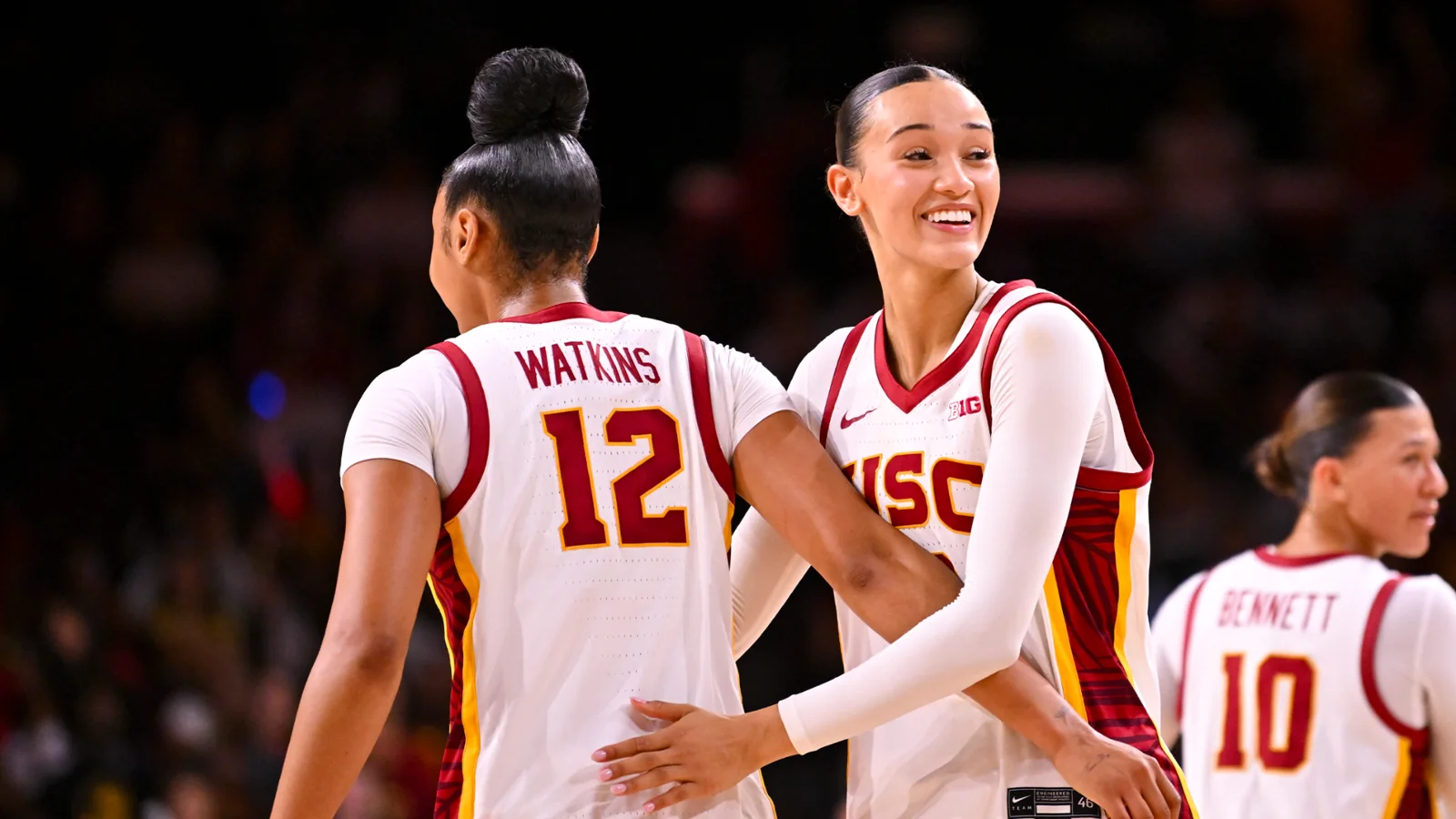
Coaches cannot generally challenge whether an ordinary foul should have been called in a 2026–27 NCAA women's basketball game. They can appeal certain related questions, including which player committed the foul and whether a possession change affects free throws. A broader experiment permits an appeal of a foul charged to the coach's own team in exhibitions where both institutions agree, and in WBIT postseason games.
That distinction explains why a replay you see in October may be unavailable in a regular-season matchup. It also explains why officials can review a play involving a foul without reconsidering every bit of contact on that play. The question being reviewed matters as much as the presence of a monitor.
This guide reflects the NCAA's October 2026 updates for the women's game. Start with the kind of ruling, then the event's rules, then the team's timeout situation. Those three checks make a replay stoppage much easier to follow.
Which calls can a coach appeal in an ordinary game?
The NCAA added four particularly relevant appeal categories for the 2025–26 rules cycle, which continues through 2026–27. Its approval announcement identifies out-of-bounds rulings, backcourt rulings, a change of team control that could alter free throws, and the identity of the player charged with a foul. These sit alongside other established correction and replay provisions. Calling them four categories does not mean every other scoring or clock correction has disappeared.
Boundary calls and backcourt rulings
For an out-of-bounds appeal, the starting point is an actual ruling that the ball went out. The review asks which team caused it to go out. Picture a defender reaching toward a ball near the sideline and both players pointing in opposite directions after the whistle. The coach's useful question is which hand made the final contact. It is a possession question, with a recognizable answer that the available angle may or may not establish.
A ruled backcourt violation is another listed category. Think of an appeal about whether a ball returned illegally across the division line. Do not treat the word “backcourt” as permission to review every violation that happens in that half of the floor. A ten-second count, a travel beside the center circle and an illegal return to the backcourt are different questions. The category and the particular ruling still have to match.
These appeals can matter early, too. A lost possession in the first quarter can cost an open shot or interrupt a developing run. Fans often associate replay with the final minute because the stakes are easier to see then, but the women's appeal provisions are not simply a late-game exception.
A foul's identity and its free-throw consequences
The other two categories concern what follows a foul. If the scorer is told that No. 12 committed it and the video establishes that No. 21 was responsible, correcting the identity changes the players' foul totals. That can affect a coach's rotation even while the whistle itself survives. A review of who fouled is therefore useful without being a review of whether anyone fouled.
Likewise, a possession change immediately before contact can affect whether free throws should be awarded. The NCAA's appeal comparison specifically isolates that team-control question. Imagine a scramble after a steal: the sequence of control and contact may matter to the penalty, but reviewing that sequence is not an invitation to reconsider every bump in the scramble.
Listen for the question officials announce when returning from the monitor. “Charged to the wrong player” and “no foul occurred” would produce very different explanations. When a broadcast says only that a foul is being reviewed, it can leave out precisely the distinction a viewer needs.
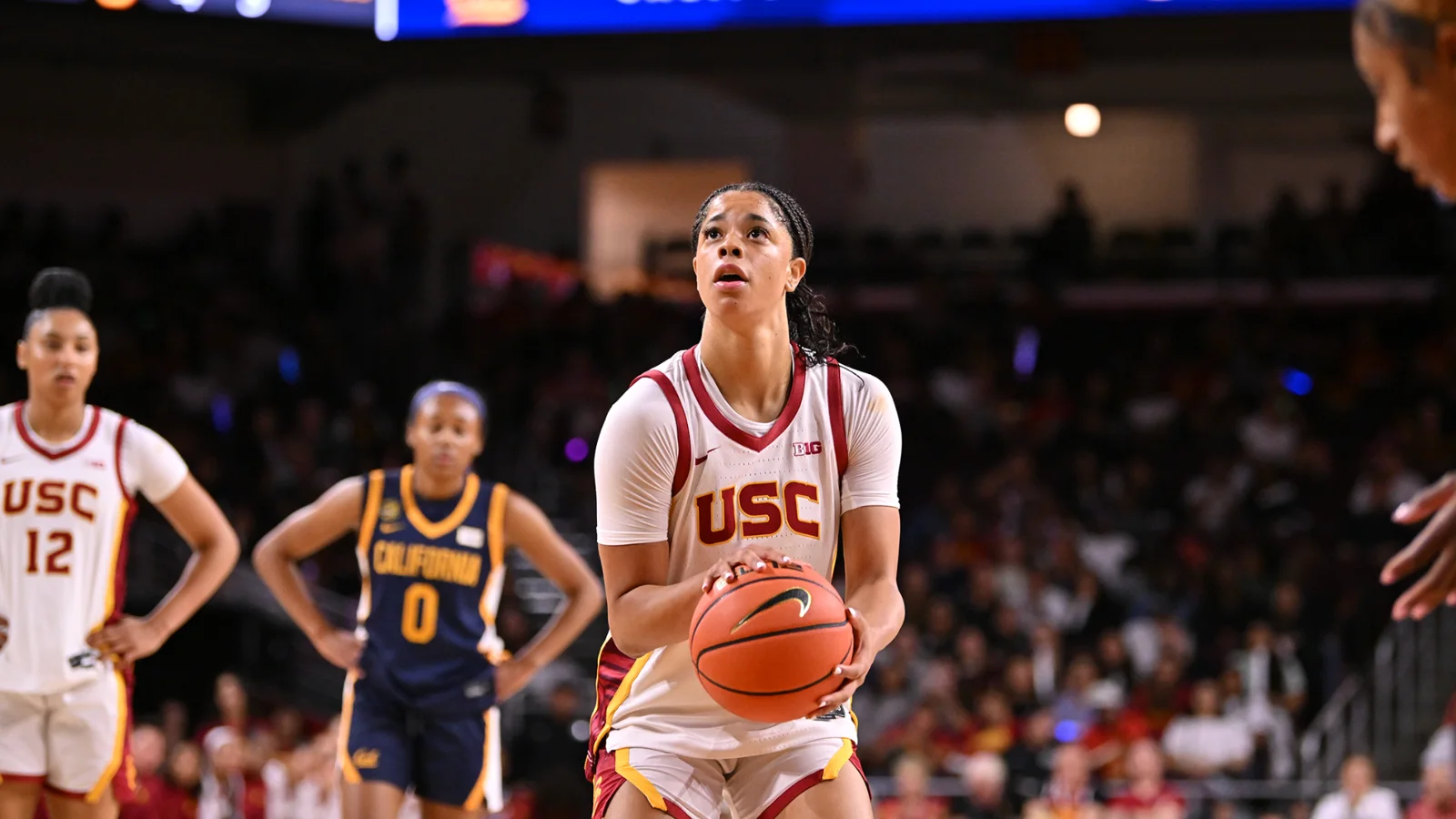
When does the foul-challenge experiment apply?
The current answer comes from the NCAA's October 14 correction sheet, rather than an assumption that last year's announcement automatically expanded. It identifies exhibitions in 2025–26 and 2026–27, subject to mutual agreement, and all WBIT postseason games. Within that scope, the coach can appeal a foul charged to the coach's own team. That is the broader permission needed to question the foul itself.
Exhibitions require mutual agreement
Both competing institutions must agree to use the experiment in an exhibition. The fact that an exhibition has television cameras, a famous opponent or a large crowd does not establish that agreement. Neither does seeing another team use a foul appeal on a different night. Exhibition is an event classification; participation in this experiment is a further condition.
Consider a hypothetical starter who picks up a second personal foul early in the second quarter. Under the experiment, that player's coach may seek a review of the foul charged to the team. In a game outside the experiment, the coach cannot create that same opportunity by arguing that the substitution consequences are severe. The importance of a call and the authority to review it are separate matters.
That distinction is especially useful during the preseason exhibition schedule, when viewers are learning new lineups and may watch several event types in the same week. An October replay should not become a promise about what a coach can do in January. Nor does the experiment let a coach demand a whistle for any ordinary contact that officials never called.
The WBIT is a separate postseason setting
The WBIT provision names that competition. It does not say the experiment applies to every postseason tournament, every conference championship or the NCAA national championship. A viewer remembering a March review should therefore identify which event supplied it before comparing it with another March game.
The NCAA's 2026–27 collection form also helps explain what the experiment is designed to examine. It records the reason, result and length of each review, including whether a ruling was confirmed, stood without conclusive evidence or was reversed. Those are distinct outcomes, not three ways to say the coach was right.
That form is a plan to gather evidence, not evidence of a particular success rate. It would be premature to claim the experiment has already improved every game or made reviews too frequent without the results. For now, the fan's practical task is narrower: recognize where broader foul review is authorized and judge each announced outcome on its own terms.
What does an unsuccessful appeal cost?
Women's appeals are not a single token that disappears once a coach uses it. The NCAA permits an unlimited number, within the rules for the issue and its correction window. The cost comes when an appeal is unsuccessful: the team is charged a timeout. The current women's rulebook ties the charge to a ruling that is not reversed, or a correction window that has already expired.
That creates a different decision from saving one challenge for later. A coach may have another opportunity to appeal, but fewer timeouts available afterward. A bench can be convinced that a decision is wrong and still decide that the available video or remaining timeout supply makes an appeal unattractive. The decision is about evidence and game management, rather than a simple tally of previous appeals.
Imagine a close fourth quarter with one timeout remaining. A potential possession reversal has real value, especially if the opponent would otherwise have a chance to protect a lead. But losing the appeal would also remove the team's remaining timeout. That can restrict the coach's later options for organizing a possession or responding to pressure. This hypothetical does not prescribe a universally correct choice; it shows why a coach might pass on a review that looks tempting from the couch.
No timeouts left does not close the door
The NCAA's appeal administration summary specifies the excessive-timeout penalty in this situation: two free throws, plus an awarded throw-in to the offended team at the point of interruption. That is a material scoring and possession risk when a close game is approaching its final possessions.
A women's team is allowed to appeal with no timeouts remaining. If it loses, however, the excessive-timeout consequence is a team technical foul. The October correction sheet applies that principle to the foul experiment as well. A coach with no timeouts therefore still has a route to correct an eligible ruling, but a failed request carries more than the loss of a resource the team no longer owns.
That is why the scoreboard's timeout display remains worth checking during a replay stoppage. “They cannot challenge because they are out of timeouts” imports a restriction that the women's appeal system does not impose. “There is no downside because they are out of timeouts” makes the opposite mistake. Permission survives; the downside becomes a penalty.
The NCAA's joint comparison sheet places limited men's challenges in a separate category. Do not carry a men's broadcast explanation, or an NBA memory about retaining a challenge, into this women's game. Similar gestures toward a monitor can lead to different procedures.
Finally, a timeout charge does not establish that the original official saw everything perfectly. It tells you the appeal did not produce the required reversal. The reason may be clear video supporting the ruling, a view that cannot settle the issue, or an expired correction window. To understand the basketball decision, ask which of those explanations applies before criticizing either the coach or the crew.
Why do a broken replay system and an unclear replay produce different outcomes?
A coach can see the original ruling survive and still avoid a timeout charge when the replay equipment itself is not working. The NCAA's October 12 interpretation draws a direct distinction: malfunctioning equipment leaves the floor ruling in place without charging the team a timeout. Functioning equipment that supplies no useful view, or no clear and conclusive evidence of an error, leaves the ruling in place with a timeout charge.
That difference turns on the review system, not the coach's level of frustration. Picture two hypothetical reviews of a ball leaving the sideline. In the first, the crew cannot operate the replay equipment. In the second, the monitor works and the play can be retrieved, but a player's body blocks the decisive hand contact. Both end with the same possession ruling. Only the first fits the equipment-failure exception.
A television viewer may understandably feel that an obstructed angle is useless. Under this distinction, however, useless evidence and unusable equipment are different problems. The functioning system has allowed the review to take place; it simply has not established a basis to reverse the decision. That risk belongs in the coach's decision before appealing.
The experiment's outcome labels make the evidence question clearer. “Confirmed” means the video supports the ruling. “Stands” means the available video is not clear and conclusive. “Reversed” means the original decision changes. If the official says the call stands, it is inaccurate to translate that automatically into a finding that the original call was definitely correct. The video may have left the central question unresolved.
For fans comparing angles, the relevant detail is the one that answers the permitted question. A wide view may clearly show where the players stood while concealing the final fingertip touch. A close view may show contact but fail to establish when team control changed. More replays of the same obstructed angle do not necessarily add the missing evidence. Nor does a dramatic freeze-frame automatically supply the sequence needed for a possession question.
These distinctions also help evaluate the broadcast explanation. “No angle showed it” is enough to explain why a review could not reverse the ruling, but it is not enough to promise that the coach keeps a timeout. “The system failed” is a different explanation, with a different consequence. Wait for the official outcome before assuming that every delay at the table is a technical malfunction.
There is room to debate whether that balance is ideal for the sport. A fan can prefer a different cost for inconclusive video while accurately describing the present rule. Keeping those two conversations separate makes criticism more useful: first identify the procedure the crew applied, then discuss whether the procedure gives coaches the right incentive to appeal.
How should fans read the next replay stoppage?
Start by identifying the original ruling rather than guessing from the coach's reaction. Then ask what issue officials are allowed to reconsider, whether this event uses the foul experiment, and what evidence would change the result. Finally, check the timeout situation. Following that order keeps the emotion of the possession from obscuring the procedure.
The appeal has a deadline
“At any time during the game” does not mean a coach can resurrect an old possession after several more trips up the floor. For the out-of-bounds and backcourt appeals discussed here, the rulebook's administration language requires the request before the ball becomes live following the violation. The team-control/free-throw question has the corresponding deadline after the foul. The experimental own-team foul appeal also must precede the next live ball.
The October interpretation addresses attempts to manufacture more decision time. An intentional delay to let the coach decide whether to appeal can bring a delay warning; repeating the same infraction brings a team technical. The NCAA gives unnecessary shoe tying and a feigned injury as examples of that kind of intentional delay. This is an instruction about deliberate delaying conduct, not a reason for viewers to accuse an injured player of acting without evidence.
A replay stoppage also does not put the coach anywhere on the court. The updated guidance keeps the head coach off the floor in the prescribed bench area during the review. A coach's proximity to the monitor is consequently a poor guide to the merits of an appeal. The useful information is the announced issue and the result, not how forcefully the coach gestures.
Keep routine corrections separate from a foul do-over
Scoring and timing corrections, the proper free-throw shooter and specified flagrant-foul reviews have their own provisions. Seeing officials correct a two-point basket to three points does not establish a general right to challenge an ordinary missed foul. Similarly, the existence of a flagrant-foul review does not turn every disagreement about incidental contact into a reviewable play.
For a concrete viewing example, suppose the scoreboard changes after officials inspect a shooter's foot position. The possession may have featured contact, but that does not make the contact the subject of the review. A careful broadcast separates the scoring question from the foul question. Fans should demand that same clarity when a replay affects a player's foul total or a team's free throws.
Use the women's college basketball TV schedule to follow the next matchup, then give the official explanation a moment to catch up with the pictures. A replay can confirm a ruling, fail to settle it or reverse it; a malfunction can prevent a review from working at all. Those outcomes carry different meanings even when the ball ultimately stays with the same team.
The central point remains the event-specific permission. A broader foul appeal in an agreed exhibition or the WBIT is compatible with a narrower review in an ordinary regular-season game. Understanding that boundary lets you evaluate the actual decision in front of you, rather than the challenge system from another league or another tournament.
Join the conversation
Share a question or a thought about the women's game. Comments are reviewed before they appear. Keep it friendly, stay on topic and leave out personal information.
No comments yet. Start the conversation.
Sign in with Google to leave a comment. Your email address is not displayed with your comment.