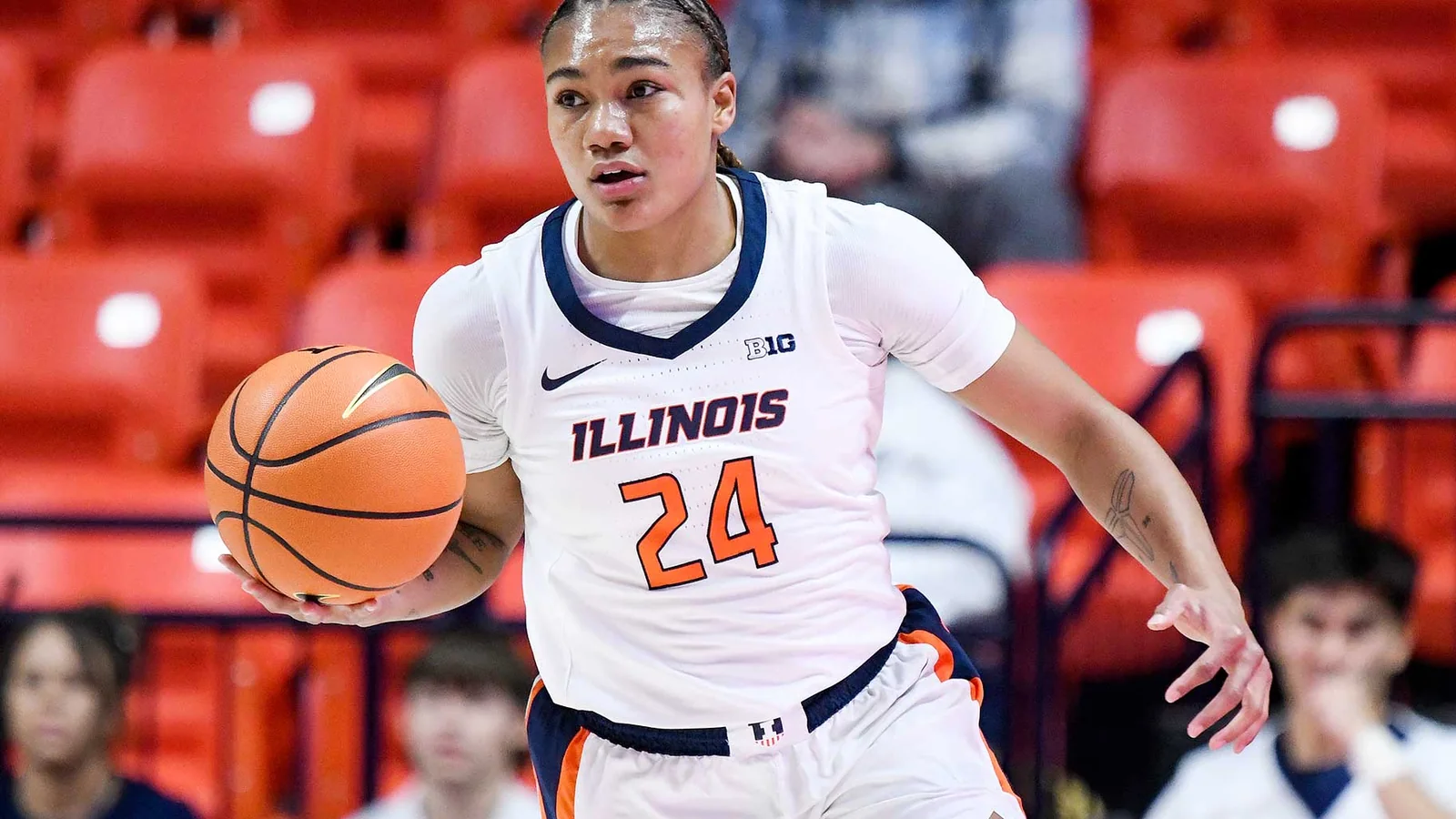
Finding a women’s college basketball game can feel harder than following it. The schedule may say ESPN, FOX, BTN or Peacock, yet the app on your television shows a lock, a different game or no listing at all. That frustration is real, but it does not come from one network controlling the sport badly. It comes from several overlapping rights systems.
This guide explains who controls regular-season and postseason broadcasts, why a streaming subscription may not include the channel named on the schedule, what recent fan complaints can—and cannot—tell us, and how to verify a legal viewing option before tipoff.
The short answer: one sport, several rights owners
Women’s college basketball is hard to watch because there is no single regular-season package that unlocks every game. A matchup can belong to a conference network, a national broadcaster, a subscription streaming service, a school-produced digital channel or a neutral-site event organizer. The logo on the court says NCAA basketball; the media contract behind the camera may say something entirely different.
The most important distinction is regular season versus national championship. The NCAA’s eight-year agreement with ESPN, effective September 1, 2024, gives ESPN platforms exclusive U.S. coverage of every round of the Division I women’s basketball championship. That is why March feels comparatively coherent: ESPN’s family controls the tournament presentation. It does not mean ESPN owns every game from November through conference-tournament week.
The useful question is not “Who carries NCAA women’s basketball?” It is “Who owns this specific game?”
Conference contracts answer that second question. In one documented season, the Big Ten distributed women’s games across FOX, FS1, Big Ten Network, NBC, Peacock, CBS, Paramount+ and B1G+. The league said all 162 conference games would be nationally produced and distributed in 2025-26, yet a fan still needed to know which product carried which night. Availability and simplicity are not the same thing.
This split explains the familiar experience of finding a game listed on a team schedule but not seeing it inside the app a fan already pays for. The game may be available—just under another rights holder, another authentication rule or another tier. Once that ownership chain is understood, the search becomes much less random.
Why conference media deals split the schedule
A conference does more than set league opponents. It also sells or assigns the media rights to much of its inventory, often as one part of a larger package covering several sports. Those agreements determine which network gets first choice, which games land on linear television, which fall to a digital service and which are produced by a campus or conference network. The result is logical from the rights holder’s perspective and bewildering from the fan’s couch.
ESPN’s conference and school-produced ecosystem
ESPN is the broadest umbrella in the sport, but even that umbrella has separate rooms. For the 2025-26 ACC season, the ESPN and ACC announcement placed more than 100 games involving ACC programs on ABC, ESPN, ESPN2, ESPNU and ACC Network. ACC Network itself was scheduled for more than 70 women’s games, while ACC Network Extra was to stream another 180-plus.
Those names matter. ACC Network is a linear channel carried by participating television providers. ACC Network Extra is a digital presentation accessed through the ESPN app by eligible customers. ESPN+ is a separate subscription product. Seeing an ESPN logo beside all three does not guarantee that one payment or one cable login opens all three. The app can put the doors in one hallway without making every key interchangeable.
Production adds another layer. Many lower-profile digital games are created with conference or school resources and then distributed on a network platform. That model expands the number of available games, but staffing, venue connectivity and event economics still affect whether a particular nonconference contest gets a full stream. A missing game is therefore not always a simple decision by a national network to ignore it.
The Big Ten’s FOX, BTN, NBC, Peacock and CBS map
The Big Ten’s 2025-26 distribution plan is the cleanest demonstration of why one league can require several viewing paths. The conference put nine regular-season matchups on FOX and two on NBC, scheduled 14 on FS1 and 61 on Big Ten Network, assigned additional inventory to B1G+, and used Peacock, BTN, CBS and Paramount+ across its conference tournament.
FOX / FS1 / BTN
Linear telecasts, with eligible streaming through the FOX Sports App.
NBC / Peacock
NBC games can stream on Peacock; some contests are Peacock exclusives.
CBS / Paramount+
The 2026 conference final aired on CBS with a Paramount+ stream.
B1G+
Additional conference inventory on a dedicated subscription service.
The Big Ten could accurately say that all 162 conference games were nationally produced and distributed for a 12th straight season. A fan could accurately answer that the schedule still felt scattered. Both statements can be true: coverage breadth measures whether a game exists somewhere; viewer convenience measures how many services and authentication steps stand between a fan and tipoff.
That distinction also protects against a bad assumption about free access. A listing that says “FOX Sports App” describes a place to stream an eligible FOX-family telecast. It does not by itself promise that the stream is free or that every subscriber has the necessary channel entitlement. The network designation is the beginning of the access check, not the end.
Why paying for streaming still may not unlock every game
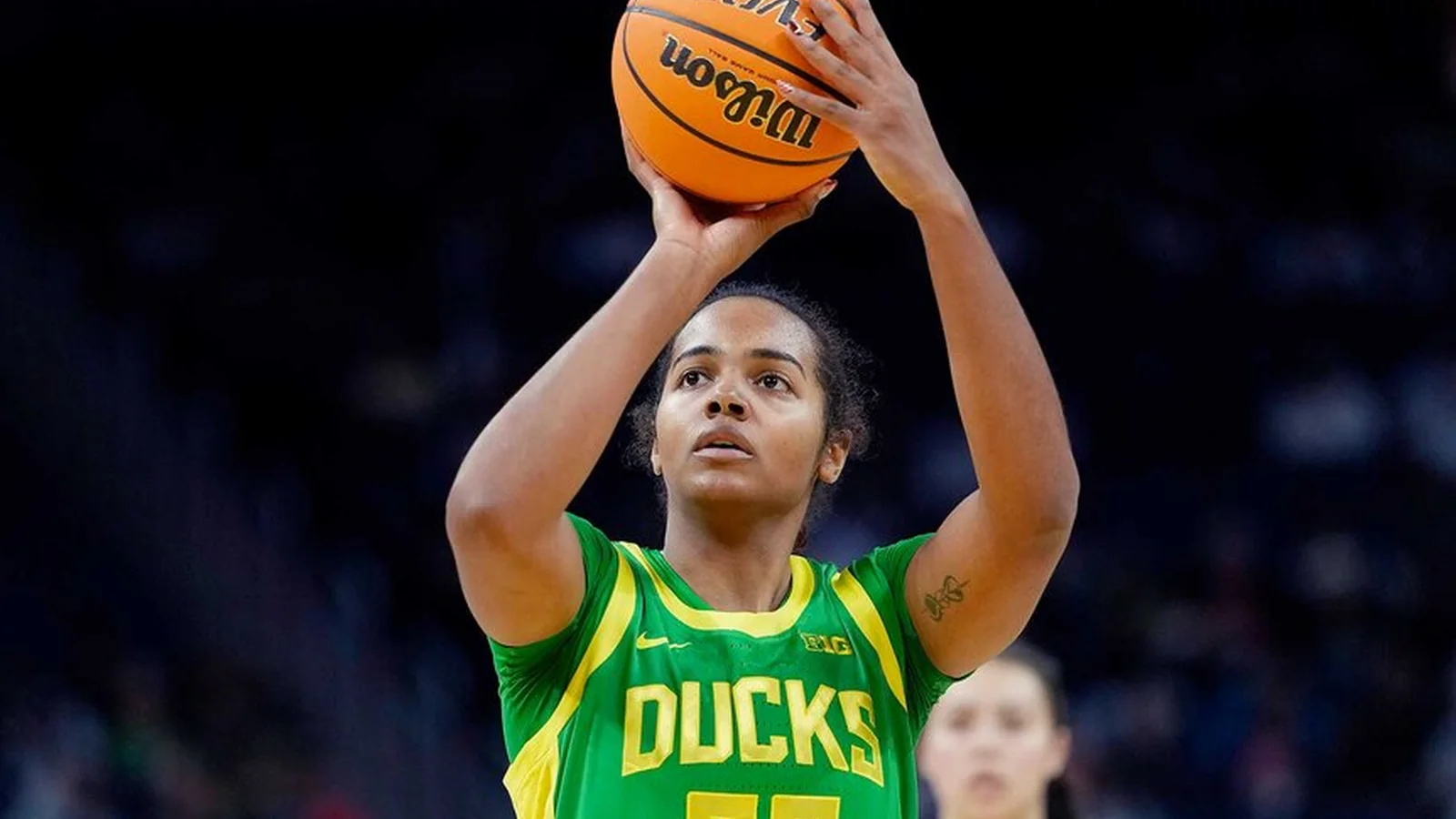
A streaming bill proves that a household buys streaming; it does not prove that the household owns the rights attached to tonight’s game. Modern sports apps combine schedules, clips and live tiles from several packages, so the interface can show a matchup that the signed-in account cannot play. The paywall feels arbitrary unless the viewer separates the app from the entitlement behind it.
A channel login is not the same as ESPN+
The ESPN app is a storefront and player for multiple forms of access. ESPN’s May 2026 support guidance says ESPN Select carries the ESPN+ library, while ESPN Unlimited includes ESPN’s networks as well as ESPN+. It also warns that some bundle arrangements do not include network content requiring a participating television provider.
That is why “I have ESPN+” has never been a complete access test for a game listed on ESPN2, ESPNU, ACC Network or SEC Network. Conversely, a pay-TV package that includes a linear channel may still require activation inside the app. Product labels and bundles change, so the durable rule is to compare the exact network designation with the channels and digital tiers listed in the account—not to assume that the ESPN icon makes them identical.
Peacock, Paramount+ and B1G+ solve different pieces
Conference-specific services create the same problem in a different family. Big Ten Network described B1G+ in October 2025 as its subscription home for additional basketball games not airing on television, plus next-day replays and archives. That does not turn B1G+ into a live stream of the BTN television channel. The service fills the lower part of the inventory; BTN, FOX and FS1 sit in another access path.
Peacock and Paramount+ are not interchangeable conference passes either. At the 2026 Big Ten women’s tournament, Peacock exclusively streamed the opening three games. Later rounds moved to BTN, and the championship aired on CBS with Paramount+ availability. Following one team from Wednesday through Sunday could therefore cross three distribution systems.
This is the subscription trap: fans often buy the service named in one promotion and reasonably expect it to contain the event. The fine distinction is that a platform may own selected games, a particular round or a simulcast—not the entire league season. Before paying, open the event’s official schedule and match the date and game number, not merely the tournament logo.
Neutral-site events can create another rights layer
November and holiday tournaments are especially confusing because the event organizer may package the media rights separately from either participant’s normal home-game agreement. ESPN Events, for example, announced 10 owned or partnered college basketball events and more than 80 programming hours for 2025-26. Other operators can choose different distributors or fund a smaller production.
A Reddit thread that surfaced in the local Google results captured the practical problem: one fan listed several compelling nonconference games and could not find streams despite paying for multiple services. Replies offered plausible explanations about school production and event economics, but those comments are not contracts and cannot establish why every listed game was unavailable. They are evidence of discovery friction, not proof of one industry-wide motive.
For viewers, the useful response is to check the tournament’s own site before defaulting to a team’s usual conference app. If no official video listing exists, radio, live statistics and school game notes may be the only legal real-time options. No legitimate guide can promise that every scheduled game has a video feed.
What fan complaints reveal—and what they do not prove
Complaints are valuable when they identify a task that the viewing system makes unnecessarily difficult. They are much weaker as evidence of secret motives, universal opinion or the exact terms of a media contract. The fairest reading of recent fan discussions is that women’s basketball has a discovery problem layered on top of its subscription problem.
The real pain is discovery before price
In a March 2026 r/NCAAW discussion, one viewer described seeing women’s tournament games missing from the score-and-stream path they expected in a March Madness app, then leaving the product to search for an ESPN telecast. Another thread began with a fan paying for several services but unable to locate a list of notable nonconference games. These are individual accounts, yet they point to the same broken journey: the fan knows what she wants to watch but cannot move cleanly from matchup to official stream.
The men’s and women’s national tournaments also have different U.S. rights partners. CBS and Warner Bros. Discovery distribute the men’s event; ESPN distributes the women’s event. An app built around one package is not automatically the video home of the other. That contractual explanation does not erase the usability complaint. A shared “March Madness” vocabulary encourages fans to expect shared scores, brackets and watch links, even when the underlying broadcasts are separate.
One viral post cannot represent every viewer
It would be inaccurate to turn those threads into “fans agree that FOX ignores women’s basketball” or “the NCAA app never covers women.” Commenters disagreed about which app the original poster was using, recommended ESPN’s tools and pointed to independent schedules. A discussion can reveal confusion while also containing confusion. Contract announcements and official schedules remain the better evidence for who actually owns a telecast.
The criticism is strongest when it stays specific: a score page did not surface a live women’s game; a bracket did not provide a watch link; a schedule used a platform name without explaining the necessary tier. Those observations describe a reproducible product gap. Claims about intentional discrimination, audience value or production decisions require evidence the posts do not provide.
For a fan, that distinction matters because outrage does not find the stream. A better guide acknowledges that the experience is fragmented, corrects mistaken assumptions and then gives a short path to the right official listing. The next section does exactly that.
A reliable way to find and watch a game
The fragmented system is navigable when the search follows the rights chain. Do the lookup before installing another app or starting a trial. Five careful minutes in the afternoon are more useful than opening six services during player introductions.
Start with the matchup, conference and home team
- Confirm the date, tip time and time zone. Team pages sometimes display local time while national listings use Eastern time.
- Check the home team’s official schedule. For an on-campus regular-season game, the home conference’s rights family is the best first clue.
- Open the conference schedule. A league’s final television release usually clarifies a generic “ESPN networks” or “FOX platforms” label.
- Cross-check a consolidated listing. Our women’s college basketball TV schedule, ESPN’s Where to Watch directory and NCAA.com can reduce app-hopping, but the rights holder’s listing should settle a conflict.
Treat the home-team shortcut carefully at holiday tournaments, showcases and conference championships. The named event may own or package the telecast, so its official site becomes the first stop. Also recheck on game day: start times and network assignments can move, particularly when broadcasters use flex windows.
Verify the exact product before paying
Match four details on the official watch page: the exact game, the exact platform, whether it is a linear-channel stream or a digital exclusive, and whether the selected plan includes that entitlement. “Available in the ESPN app” is incomplete if the event needs ACC Network authentication. “On FOX Sports” may still depend on a provider carrying BTN or FS1. “On Peacock” may mean a simulcast of NBC or a Peacock-only event.
Do not buy a full-season service from an old search snippet. Plans, prices and bundles change. Open the current subscription page and examine the event listing while signed out, then compare it with the account’s channel list. If a broadcast network—ABC, CBS, FOX or NBC—is named, an antenna may work in markets where the local affiliate carries the game, but reception and affiliate schedules vary. “Broadcast” is not a nationwide guarantee of free access.
Before tipoff, save the official game page—not just the app homepage.
That page preserves the matchup, time and network in one place and makes troubleshooting much faster if a tile is missing.
Expect a different map in March
The national tournament is more centralized. The NCAA says every game in the women’s championship airs on ESPN networks. The wording still describes a family: the 2026 bracket used ESPN, ESPN2, ESPNU and ESPNews in early rounds, with the championship on ABC. A viewer needs the specific channel, but does not have to decode competing conference contracts once the NCAA tournament begins.
Conference tournaments are the important border case. They happen in March, but their rights still belong to the conferences. The 2026 Big Ten event moved from Peacock to BTN and then CBS; only afterward did participating teams enter the NCAA’s ESPN-controlled championship. “March Madness” should therefore mean the NCAA tournament, not every elimination game played during March.
When no video exists, resist unofficial links that promise a free feed. School radio, conference audio, live statistics and verified social updates are safer alternatives and often work in regions where a stream is restricted. The fact that a game is scheduled does not guarantee that anyone has funded a television production.
Women’s college basketball is not inherently impossible to watch. Its media map is simply organized around contracts rather than around one fan-facing pass. Identify the owner, read the designation literally, verify the entitlement and recheck close to tipoff. That routine turns a frustrating hunt into a repeatable game-day habit.
The system would serve fans better with clearer, unified watch links. Until rights owners build that experience, the best defense is precision: identify the game owner, distinguish the channel from the app, and confirm the subscription tier on the official listing. That is less satisfying than one universal pass, but it is reliable.
Join the conversation
Share a question or a thought about the women's game. Comments are reviewed before they appear. Keep it friendly, stay on topic and leave out personal information.
No comments yet. Start the conversation.
Sign in with Google to leave a comment. Your email address is not displayed with your comment.