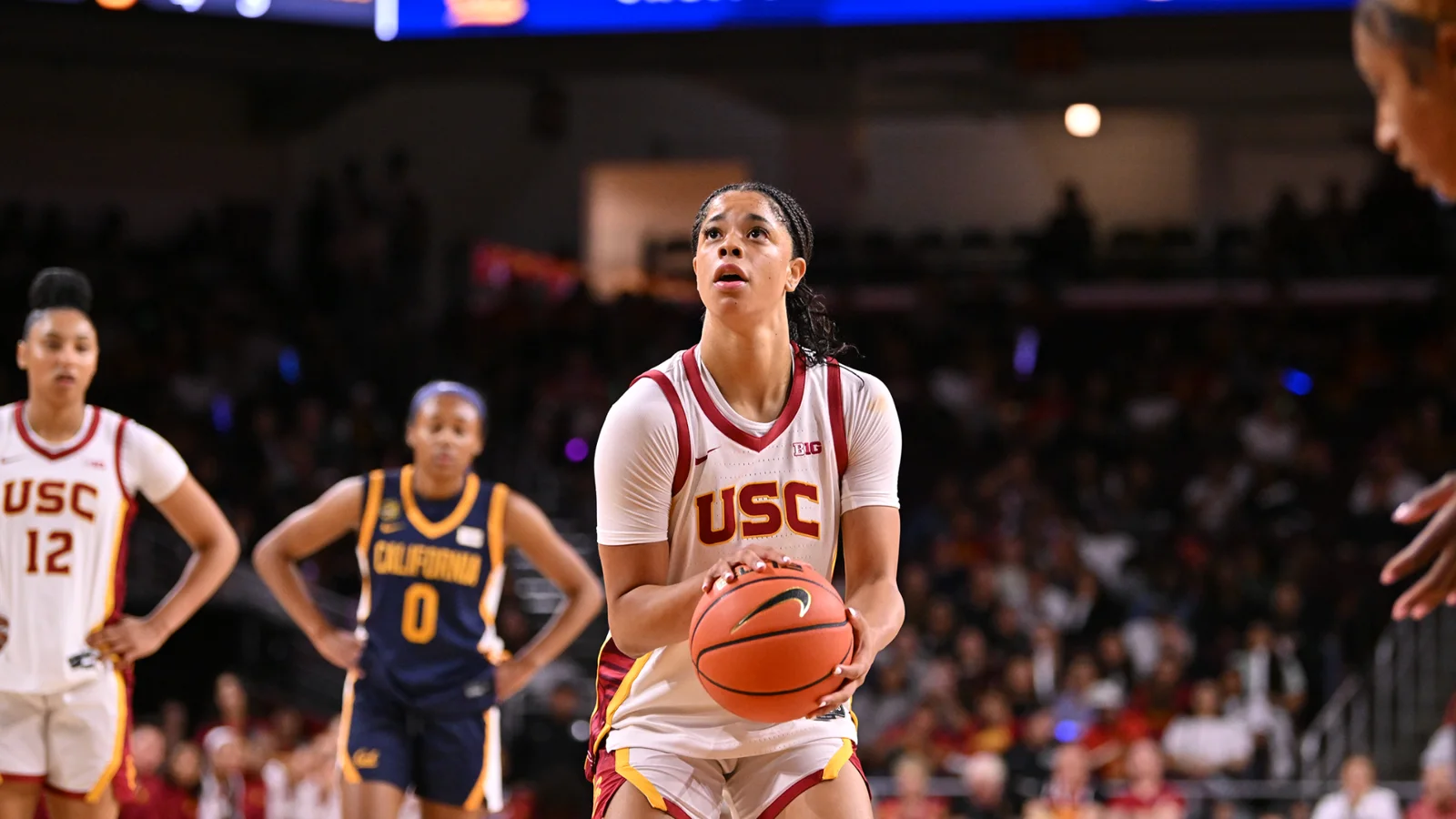
The 2026 Players Era Women’s Basketball Showcase is scheduled for December 19–20 at Michelob ULTRA Arena inside Mandalay Bay in Las Vegas. Duke, Notre Dame, South Carolina, Texas, UCLA and USC make up the six-team field. Each team has two announced opponents, with six games scheduled across ESPN and ESPN2.
This is the women’s December weekend, separate from Players Era’s men’s November events. The USC announcement and ESPN’s event release establish the dates, pairings and viewing plan. All games remain future events as of this guide’s October 30, 2026 check.
The commercial headline needs equal care: the event advertises a seven-figure pool of available NIL opportunities. That is not a published per-player payment or a conventional winner’s purse. Here is how the basketball schedule, ticket package and NIL announcement fit together, with Eastern and Las Vegas times kept separate.
Which teams are going to Las Vegas, and when?
The women’s field consists of Duke, Notre Dame, South Carolina, Texas, UCLA and USC. The organizer’s women’s event page lists December 19–20, 2026 and Michelob ULTRA Arena. USC’s official announcement independently identifies the same field and locates the arena inside Mandalay Bay Resort and Casino. Keep that venue name with your plans rather than assuming every major Las Vegas basketball event uses the same building.
Saturday and Sunday each have a three-game session. That gives a fan following one school an announced game on both days, while someone attending the whole showcase can see all six programs. The dates belong to the 2026–27 college season; they are not preseason exhibitions simply because the showcase falls before much of the conference schedule. USC describes its participation within its season schedule, separately from its October exhibitions.
The event’s name is shared with a broader sports operation. On the organizer’s ticket index, Players Era 8 runs November 17–19 and Players Era 16 runs November 24–28, while the women’s showcase has its own December entry. A men’s November bracket, participant count or tipoff should not be transferred to the women’s weekend merely because the Players Era branding matches.
The school announcement calls 2026 the second iteration of the women’s event. That is another useful distinction from the broader platform’s 2024 beginning. “Players Era began in 2024” and “the women’s event returns for a second edition” describe different timelines. Neither makes this December weekend a newly invented October event or establishes that a previous year’s women’s format applies unchanged.
For a shared calendar, enter the women’s event name, the dates, the specific arena and your time zone together. The women’s college basketball calendar is useful for keeping other games alongside this weekend. Read each entry’s current season and time settings before sharing it. A correct opponent with the wrong event date can still send someone toward the wrong broadcast or ticket session.
The complete six-game schedule in Eastern and Pacific time
The following schedule matches the MGM event announcement and ESPN’s published lineup, with Pacific time added for Las Vegas. All times remain subject to change. The rankings attached to teams in the August promotional release are not presented here as current October rankings; the opponents, dates and channels are what a viewing plan needs.
| Date | Matchup | Eastern | Las Vegas / Pacific | Channel |
|---|---|---|---|---|
| Saturday, Dec. 19 | Duke vs. Texas | 6 p.m. | 3 p.m. | ESPN2 |
| Saturday, Dec. 19 | UCLA vs. South Carolina | 8:30 p.m. | 5:30 p.m. | ESPN |
| Saturday, Dec. 19 | Notre Dame vs. USC | 11 p.m. | 8 p.m. | ESPN |
| Sunday, Dec. 20 | Texas vs. UCLA | 5 p.m. | 2 p.m. | ESPN |
| Sunday, Dec. 20 | Notre Dame vs. South Carolina | 7:30 p.m. | 4:30 p.m. | ESPN |
| Sunday, Dec. 20 | USC vs. Duke | 10 p.m. | 7 p.m. | ESPN |
The sessions begin in the afternoon locally, even though the Eastern broadcast lineup is built around the evening. Saturday’s final game is a late-night appointment for East Coast viewers; Sunday’s last game is also scheduled after many households’ usual viewing window. If one matchup matters most, save that specific game rather than relying on a reminder for the session’s opening tip.
The late USC tipoff is the same game in two time zones
USC lists its Notre Dame game at 8 p.m. Pacific on December 19. The event’s Eastern schedule lists 11 p.m. Both refer to the same planned tipoff. Las Vegas and Los Angeles use Pacific time in December, three hours behind Eastern time. The Trojans’ Sunday Duke game likewise appears as 7 p.m. Pacific and 10 p.m. Eastern.
That is a time-zone conversion, not an announcement that one source moved the game. Keep the zone label whenever sending a screenshot or writing a message to another fan. A bare “USC plays at eight” can be correct in California and confusing in Connecticut. Viewers outside the continental United States should convert the full dated appointment, since a late Eastern game can fall on the next calendar day elsewhere.
Scheduled spacing also should not be mistaken for a guarantee that the arena will empty or that a game will finish by a particular minute. The lineup places games two and a half hours apart. Overtime and other delays can affect the actual evening. Build a viewing or travel plan around the announced starts while allowing the live event room to run beyond an ideal timetable.
Six games means two opponents per team, not a round robin
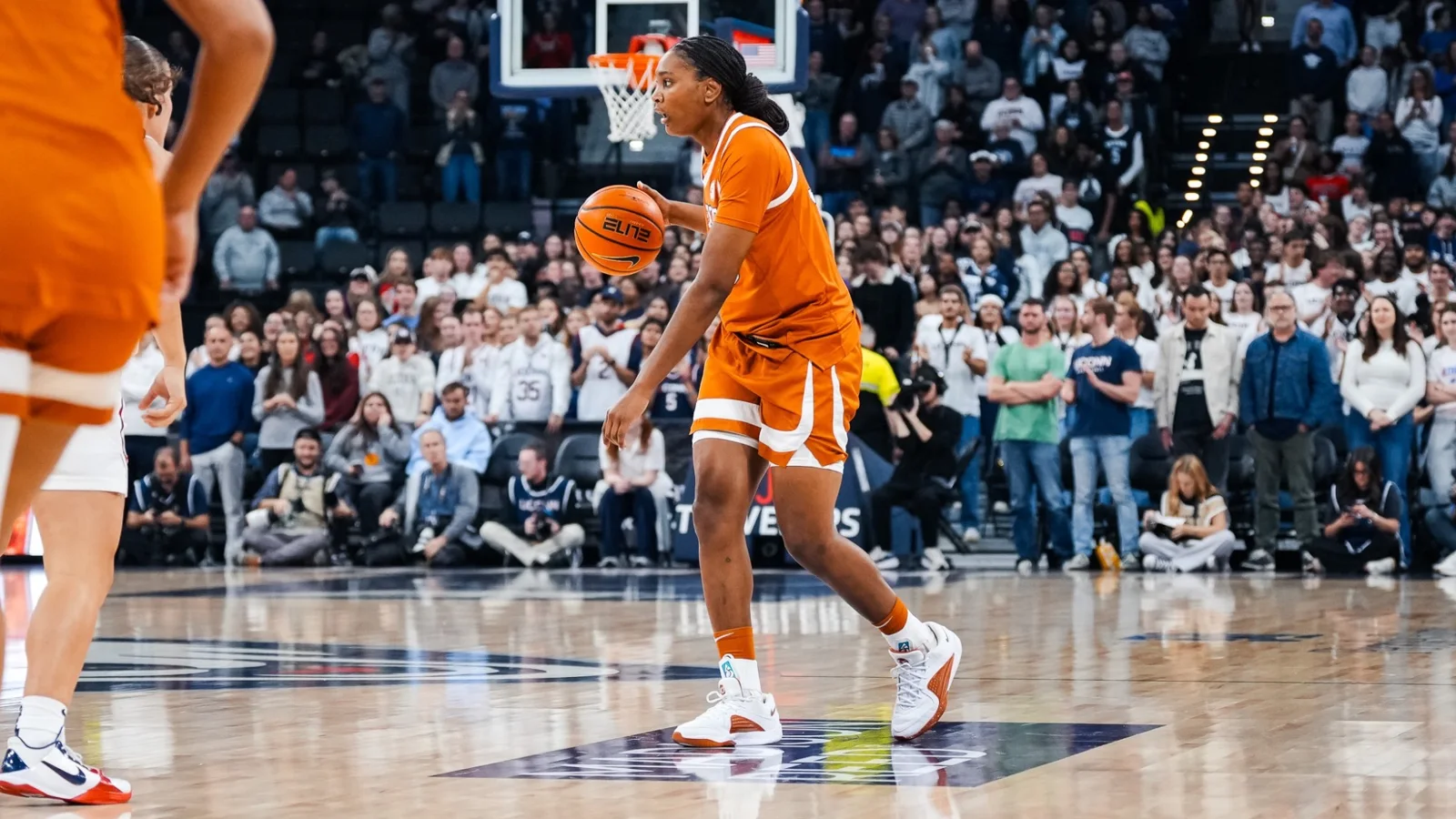
The published pairings give every team two games: Duke faces Texas and USC; Notre Dame faces USC and South Carolina; South Carolina faces UCLA and Notre Dame; Texas faces Duke and UCLA; UCLA faces South Carolina and Texas; USC faces Notre Dame and Duke. Those opponents are already named for both days. Sunday’s schedule is not written as winners advancing from Saturday.
A complete single round robin among six teams would require 15 games, calculated as six teams multiplied by five opponents, divided by two to avoid counting each pairing twice. The announced showcase has six. It therefore cannot answer every possible comparison within the field. Fans should not assume that every attractive matchup among the six programs is scheduled or that an unlisted pairing will emerge through a bracket.
The event announcement emphasizes elite competition and uses championship language, but its six-game schedule does not supply a semifinal tree, a championship-game qualification rule or a tiebreaking procedure. The supported promise is the published set of games. Calling Sunday’s final listed matchup “the final” would add a competitive meaning that the timetable itself does not establish.
There is still plenty to examine as basketball. UCLA’s announced weekend pairs South Carolina on Saturday with Texas on Sunday. The scheduled starts are 20 and a half hours apart in Pacific time, from 5:30 p.m. to 2 p.m. the following day. That is a calculation from the schedule, not a measurement of sleep, preparation time or fatigue. It does explain why fans should evaluate the two performances within the context of consecutive-day opposition.
USC’s schedule creates a different comparison: Notre Dame first, then Duke. A team can produce a strong performance against one opponent and face a different set of questions against the next. Look for how it creates good shots, protects the ball and finishes defensive possessions across both games, rather than treating one box score as a complete verdict on the season.
These are nonconference opportunities with implications beyond a weekend narrative. Our strength-of-schedule guide explains why opponent quality needs context. An August promotional ranking does not freeze a December opponent’s quality in place. Judge the actual teams, availability and results when the games arrive, while keeping the distinction between an interesting schedule and a guaranteed postseason conclusion.
How to watch the women’s games on ESPN and ESPN2
The announced U.S. television plan puts Duke–Texas on ESPN2 and the remaining five games on ESPN. The event’s full broadcast schedule is more useful than a generic statement that the weekend is “on ESPN.” A household receiving one channel should check that it also receives the other before planning to watch every game.
Start with the actual matchup in your provider’s guide. The same school name can appear in men’s and women’s listings, and Players Era operates several events. Use the date, opponent and women’s basketball label together. USC–Notre Dame on December 19 is the relevant women’s matchup; another Notre Dame Players Era listing in November is a different appointment.
For streaming, confirm that your package includes the scheduled ESPN or ESPN2 feed and that the service permits viewing on the device you intend to use. An app’s presence on a television does not establish the account’s access rights. The event announcement is a broadcast assignment, not a promise of a free stream or access through every product carrying the ESPN name.
The late Eastern starts make preparation worthwhile. If you intend to watch USC’s Saturday game live, test the account and device before the earlier session begins instead of discovering a login problem near 11 p.m. If you plan to record or watch later, check your provider’s recording and replay arrangements rather than assuming that a live listing guarantees the same on-demand window afterward.
Viewers outside the United States need their own rights check. A U.S. ESPN or ESPN2 assignment does not identify the local broadcaster or establish that the same subscription works internationally. Convert the dated start time and consult the service available where you will watch. This guide does not claim an international channel that the announcement has not supplied.
Our women’s college basketball TV schedule can keep the weekend alongside other games. For the broader access problem, the guide to women’s college basketball broadcast fragmentation explains why a schedule and a subscription are different decisions. Recheck the specific channel close to December 19, because the announced lineup remains subject to change.
What the all-tournament pass covers
The announced All-Tournament Pass covers all six games across both sessions. The organizer’s ticket page links the women’s December event to AXS, and the AXS event listing identifies the package by name. Check that wording before assuming a different offer provides the same access.
The listing separates the two daily sessions and gives Michelob ULTRA Arena at Mandalay Bay Resort and Casino as the destination. It lists Saturday doors at 2 p.m. local time before the 3 p.m. opening game. Do not transfer that door time to Sunday without checking the event’s current entry notice. Sunday’s first scheduled tipoff is an hour earlier, at 2 p.m. Pacific.
Use the current checkout price, not the launch headline
The August 31 announcement advertised all-event passes starting at $109. That is a dated launch price, not a verified current checkout quote for any available seat. The final amount and inventory should be read in the live offer before buying. An old starting-price headline cannot establish that the same entry-level seat remains available when you choose to book.
Compare the package before comparing the number. An all-event pass, a single-session offer and a resale listing can answer different needs even when their headlines use the same showcase name. The general women’s basketball ticket-price guide explains why access and seat details belong alongside cost. For this event, the specific six-game package is the relevant starting comparison.
AXS lists an accessible-seating offer and mobile ticket use through its app. Fans needing accessible or limited-mobility seating should use that specific offer rather than infer suitability from a seat-map picture. For a group, establish who holds each ticket and how everyone will enter before arriving. Save access to the account and charge the phone that will display the admission credential.
Use the venue’s current event policies for bags, entry and any leave-and-return arrangements. A pass covering both days does not itself explain whether a fan can leave during one session and reenter later that evening. Plan food, rest and the return journey with those conditions confirmed. The schedule gives room to enjoy several matchups, but a comfortable six-game weekend also depends on understanding what the ticket actually permits.
What the seven-figure NIL pool does and does not promise
The event’s financial headline concerns NIL opportunities. USC’s announcement describes a seven-figure pool available for name, image and likeness activities. That establishes the announced scale and purpose. It does not describe a standard prize paid to the team that wins the most games, or a fee automatically earned by every person on the roster.
The distinction matters because the basketball schedule and the commercial activities answer different questions. The six games identify opponents and broadcast appointments. NIL concerns the use of athletes’ identities in promotional activity. The NCAA’s current explanation gives examples including social posts, appearances and endorsements. A headline about an opportunity pool does not tell us which of those activities each player will perform at this event.
The announcement does not provide a per-player payment
No public allocation table in the checked announcements explains a guaranteed amount for an individual player, an equal share per team or a formula based on Saturday’s results. Dividing a seven-figure headline by six schools, or by an assumed number of athletes, would manufacture a payment estimate. It would require knowing the actual pool, eligibility for activities, participation terms and distribution method.
There is another scope distinction in the MGM announcement. Seth Berger’s broader statement about mid-seven figures refers to women’s college volleyball and basketball players and available NIL activities in 2026. It should not be restated as an exact mid-seven-figure basketball-only pot for these six teams. The specific basketball description and the platform-wide statement are related, but they cover different scopes.
Fans can evaluate the ambition without claiming undisclosed outcomes. The event brings prominent women’s programs into a televised weekend and announces substantial commercial opportunities around them. Whether a particular athlete participates in an activity, what that athlete receives and how the opportunity compares with another agreement require later, specific information. Those details cannot be read from a player’s score line or the team’s record in Las Vegas.
Keep the same boundary when discussing the games themselves. A competitive win can be meaningful without being evidence of a cash bonus, and a loss does not establish that an athlete lost an NIL payment. The checked announcement does not give such a result-based formula. Treating the pool as conventional prize money would turn an unanswered commercial question into an invented rule of the showcase.
For the December weekend, the confirmed fan plan is already substantial: six named programs, two announced games per team, a complete television schedule and an all-event ticket package. Follow those games on their basketball merits. Follow subsequent NIL announcements for the commercial details, keeping the available opportunity pool separate from income that any named player has actually been confirmed to receive.
Join the conversation
Share a question or a thought about the women's game. Comments are reviewed before they appear. Keep it friendly, stay on topic and leave out personal information.
No comments yet. Start the conversation.
Sign in with Google to leave a comment. Your email address is not displayed with your comment.